For a long time, obesity curves only seemed to move up, no matter how many campaigns urged smaller portions and more steps. Then Ozempic and its GLP-1 cousins arrived, first as diabetes drugs and then, in higher doses, as serious weight loss tools. Behind the celebrity chatter are patients who see blood sugar drop, joints hurt less, and daily choices feel less like a fight. The numbers are still young, but for the first time in years, some charts are bending in a new direction.
A Diabetes Shot That Changed The Story

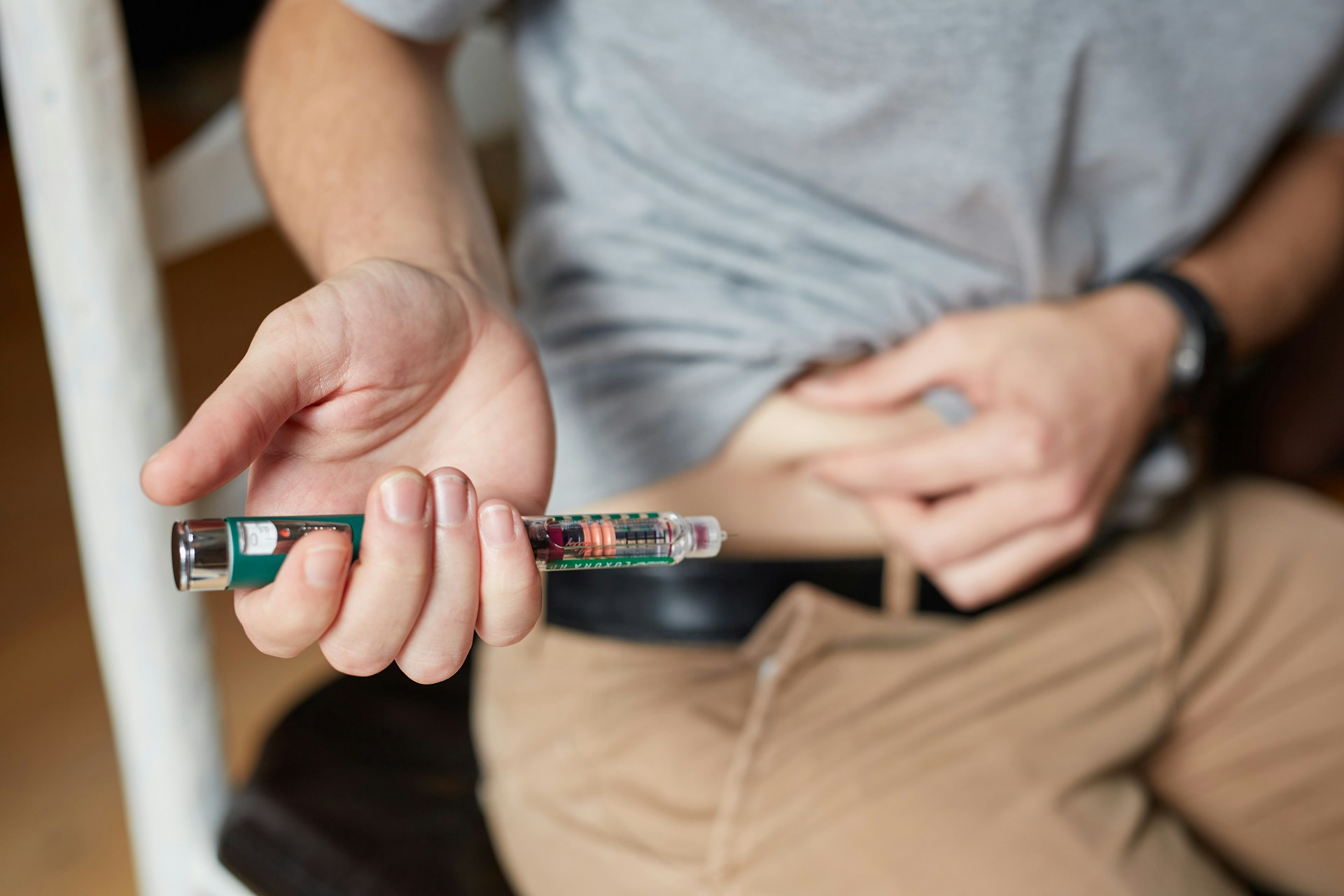
Ozempic was designed for type 2 diabetes, with weight loss listed as a welcome side effect rather than the headline. In real clinics, that side effect was hard to ignore, and higher dose versions for obesity followed. Many patients who had cycled through diets for decades began seeing steady, clinically meaningful losses. Doctors now talk about GLP-1 drugs as part of mainstream obesity care, not a fringe experiment, while still reminding everyone that one tool cannot carry the whole problem.
How GLP-1 Drugs Affect Hunger And Metabolism

These medications mimic a hormone that helps control hunger signals, insulin release, and the speed at which the stomach empties. For many people, that means feeling full on less food, fewer obsessive food thoughts, and a calmer rhythm across the day. Trials have shown average losses in the low double digit percentage range when treatment is paired with nutrition support and follow up. The effect is powerful, but not magic, and some patients see only modest shifts despite full adherence.
Early Hints In Obesity Trends

National obesity rates are slow to move, so no honest expert claims a miracle curve yet. Still, health systems tracking patients on GLP-1 drugs report fewer people sliding into higher BMI categories and more stepping back a notch. Some programs are seeing better blood pressure, improved cholesterol, and smaller waistlines alongside weight changes. If those gains hold over many years, they could translate into quieter waiting rooms for heart clinics and fewer emergency room visits for complications tied to weight.
Who Gets Access, And Who Is Left Out

The promise of these drugs hits a hard wall when coverage rules and price enter the room. Many insurance plans limit use, demand prior authorizations, or cut off coverage once certain numbers are reached. Uninsured and underinsured patients often face monthly costs that rival a mortgage payment. That gap risks turning GLP-1 treatment into yet another health advantage for those with stable income and strong benefits, while people in higher risk communities watch progress happen somewhere else.
Surgery, Lifestyle Programs, And New Playbooks

Bariatric surgeons, dietitians, and counselors are reshaping care plans in response to this wave. Some patients now use medication to lose an initial amount of weight before surgery, which can lower risk. Others use it after surgery when old habits creep back. Traditional lifestyle programs are also adjusting, focusing on strength, sleep, and mental health while medication smooths the hunger piece. The best results seem to come when tools are layered rather than treated as rivals.
Emotional Weight Alongside The Physical

For many people, the most dramatic shift is not the scale but the silence in their own head. A life spent planning, regretting, and hiding food can soften into something more neutral. That relief is real and often moving. At the same time, social pressure has sharpened. Some workers feel pushed to try injections just to match new norms, while others feel judged for using medication at all. The emotional story here is mixed, with freedom on one side and fresh scrutiny on the other.
Safety, Side Effects, And Unknowns

Nausea, vomiting, and digestive changes are common early on and can be strong enough to stop treatment. Doctors also watch for rare but serious issues and remind patients that long term data over many decades simply does not exist yet. Stopping the drug often leads to partial weight regain, which raises hard questions about how long it should be continued and at what cost. Honest care teams talk about these tradeoffs openly and avoid promises they cannot keep.
How Food And Wellness Industries Are Reacting

Food companies, gyms, and wellness brands are quietly adjusting to customers who may snack less and value quality over volume. Analysts already see hints of lower sales in some ultra processed categories among people using GLP-1 drugs. Some businesses lean into smaller portions and higher protein options, while others double down on comfort foods for everyone else. Over time, demand may nudge menus and products toward a landscape shaped as much by biology as by marketing.
Where The Story Goes From Here

The next few years will test whether early results turn into lasting change. Researchers will keep tracking heart outcomes, mental health, and patterns of regain. Policymakers will argue about coverage and cost, while families weigh side effects against the chance to walk farther, sleep better, and take fewer pills for other conditions. The real impact will be measured not just in national charts but in small scenes, like someone climbing stairs without stopping or tying their shoes without pain for the first time in years.