Winter style rewards warmth, movement, and polish. The challenge is avoiding habits that add bulk or drain color when daylight turns thin. Small, smart shifts matter more than trends: richer textures, deliberate tailoring, and palettes that brighten skin. When hemlines, fibers, and fit work together, layers read intentional rather than improvised. The aim is ease and presence, not disguise. Cold months feel better when familiar pieces support comfort, clarity, and confidence from breakfast to late a.m. errands and dinner.
Hiding In Oversized Layers

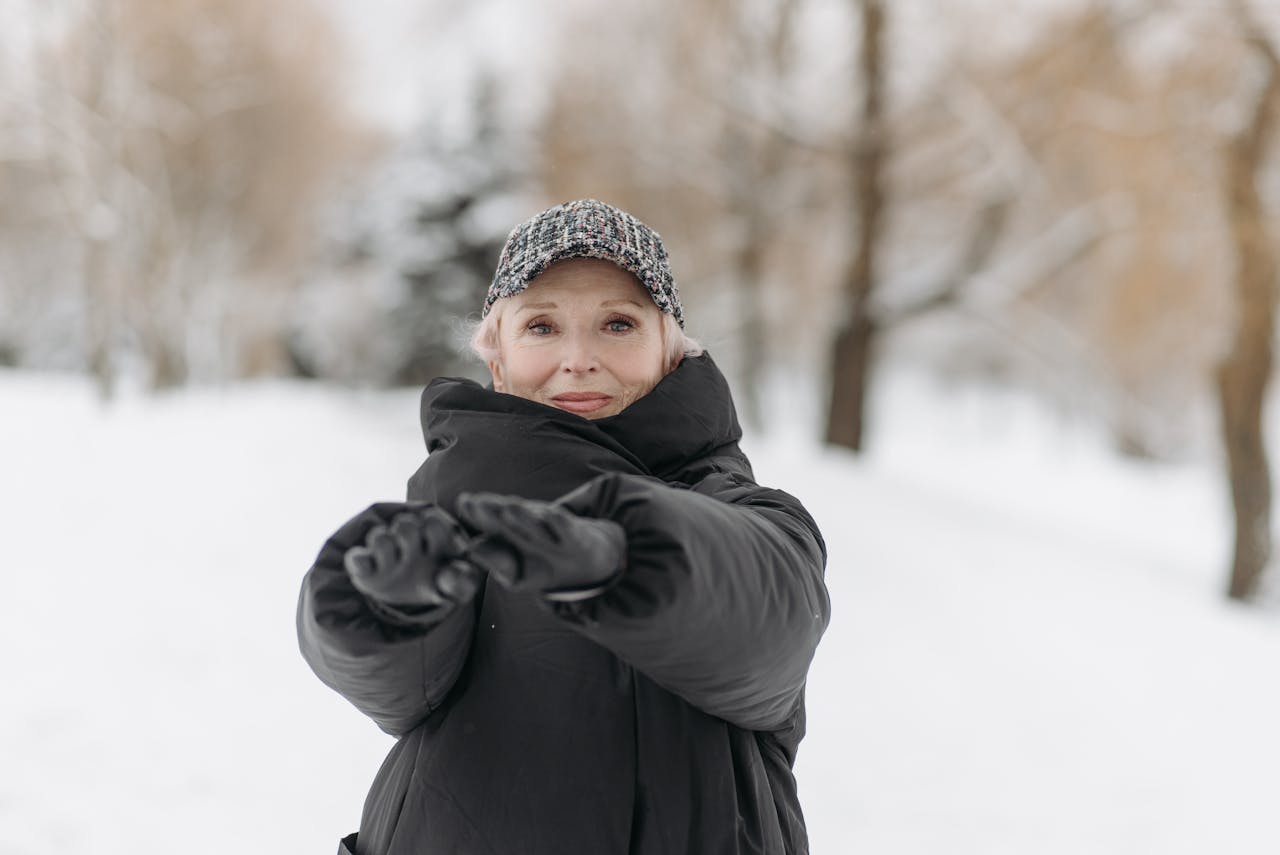
Head to toe volume can swallow shape and shorten stature. A roomy parka over heavy knits and wide pants turns warmth into visual weight. One defined line restores balance, such as a tailored coat over a soft turtleneck with straight leg trousers, or a relaxed sweater paired with trim wool pants. Structure at the shoulder, a visible waist, and clean hems let cozy textures read as style rather than camouflage, keeping movement free and the silhouette calm.
Wearing Only Dull Neutrals

All gray or all beige outfits flatten skin tone in winter light. Even luxury wool loses presence without contrast. One saturated accent near the face revives color, like a berry scarf, pine green knit, or teal blouse under camel. Mid value neutrals such as oatmeal, taupe, and charcoal blend more gracefully than stark black and white. Placing brightness close to cheeks and lips adds lift, while the rest of the look stays quiet and cohesive.
Defaulting To Tired Black

Black is dependable, but faded coats and pilled knits broadcast fatigue. Cold months magnify fabric quality, so dense wool, polished leather, and smooth cashmere matter. Swapping in midnight navy, espresso, or deep aubergine softens contrast and flatters winter skin. Keeping black as one hero item, like a coat or boot, prevents a heavy color block. With that anchor set, every other texture gains room to breathe, and the outfit feels intentional again.
Ignoring Tailoring Under Coats

Coats do the talking, but unshaped layers underneath decide the silhouette. A refined overcoat loses impact when shoulders slump or hems puddle. Simple fixes change everything: sleeves ending at the wrist bone, trousers that skim rather than cling, a waist seam that hints at curve. When base layers fit, outerwear drapes cleanly and movement looks effortless. Tailoring turns everyday pieces into a dependable winter uniform that handles errands and evenings without fuss.
Bulky Scarves That Overwhelm

Oversized scarves promise drama and heat, yet big knots crowd the jawline and bury collars. A medium weight cashmere or merino wrap worn flat along the neck warms without swallowing features. If volume is wanted, length can do the work while the wrap stays loose. Colors that echo natural lip and cheek tones brighten the face more than complicated tying. The goal is framing, not fencing, so the coat and knit still show.
Skipping Texture Variety

Winter rewards changes in surface that catch scarce light. Outfits made only of matte wool and flat knits can look heavy and dull. One luminous element creates rhythm, like a silk blouse, a patent belt, or a polished boot. Tweed against cashmere, suede against denim, or a quilted liner under a wool coat adds depth without noise. Texture mixing helps layers read separately, so the eye sees intention rather than a single block of cloth.
Cropped Pants Without Warmth Plan

Ankle grazing hems look sharp in fall, then expose skin to icy air and awkward sock lines. A plan preserves both comfort and proportion. Tall boots under straight legs, opaque tights beneath midi skirts, or wool socks dyed close to the trouser keep the column unbroken. Once warmth is secured, the silhouette turns clean again. Practical choices disappear into design, and ankles stop stealing attention from an otherwise balanced look.
Heavy Winter Shoes With No Lift

Chunky soles and square toes can stabilize on slick streets, but they also weigh down the leg line. A sleek ankle boot with a modest lift elongates without strain. Almond toes and refined leather sharpen everything above the ankle, while grippy tread and supportive insoles maintain comfort. The aim is grounded ease that moves from curb to cafe without dragging the eye, letting coats and knits do the season’s visual storytelling.
Neglecting Knit Quality

Pilling, sagging cuffs, and stretched collars age a sweater faster than any trend shift. Tighter knits in merino, lambswool blends, or well spun cashmere keep shape through long seasons. Gentle washing, sweater combs, and fabric shavers preserve smooth surfaces. Ribbing that grips the wrist and waist adds definition under coats. Good knits act like soft armor in cold air, bringing warmth, texture, and quiet refinement instead of fuzz and fatigue.
Treating Accessories As Afterthoughts

Hats, gloves, and bags can finish an outfit or scatter it. Random picks create clutter and mixed hardware that fights for attention. Coordinating leather tones across gloves, boots, and bag builds harmony, while a single metal finish keeps closures and zips calm. A felt fedora or neat beanie that suits face shape frames features and protects hair. Accessories work best as precise punctuation marks, placed with care rather than grabbed at the door.