
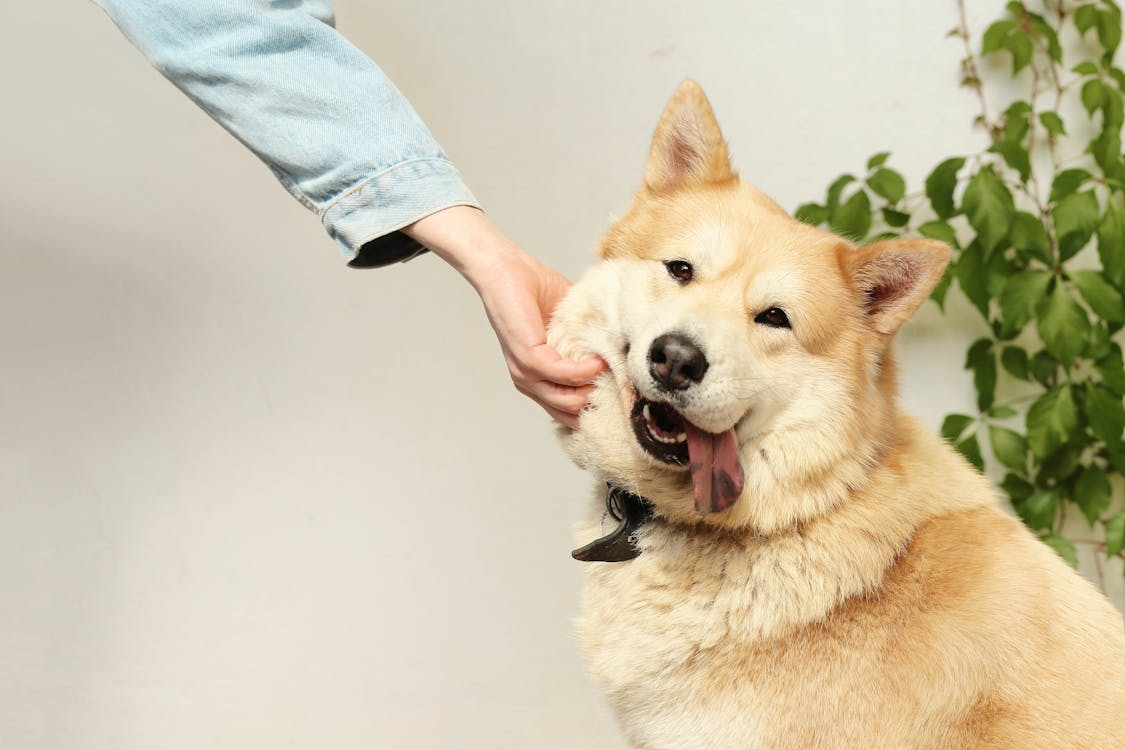
Animal welfare organizations report a rise in shelter surrenders linked to owners choosing breeds without understanding their needs. Veterinary behaviorists and adoption specialists explain that many popular breeds require significant training, exercise or financial commitment that some households cannot maintain. As a result, shelters are seeing increased intake of specific breeds that were initially adopted for trends, appearance or social media influence rather than suitability. Understanding why these breeds are being abandoned helps highlight the importance of responsible pet ownership and informed decision making.
Huskies

Shelters report an increase in surrendered Huskies due to their extreme exercise needs and high prey drive. Veterinary behaviorists note that Huskies can run over 20 miles a day in their native environments. Without proper stimulation, they develop destructive behaviors, leading inexperienced owners to give them up.
German Shepherds

According to the American Veterinary Medical Association, German Shepherds require structured training and consistent socialization to prevent anxiety and reactivity. Their high energy and working dog background overwhelm owners who underestimate the time needed for mental and physical engagement.
Dalmatians

Dalmatians often end up in shelters after spikes in popularity following movies. Genetic studies show they are prone to deafness and require intense daily exercise. Breed experts explain that their strong stamina and sensitivity make them challenging for first time owners.
Belgian Malinois

Working dog trainers report that Belgian Malinois are one of the most frequently surrendered high drive breeds. Used by police and military units, they require advanced training and continuous stimulation. Without experienced handling, they develop behavioral issues that many owners cannot manage.
Pit Bulls

Animal shelters consistently report high intake numbers of Pit Bulls due to overbreeding and misconceptions about the breed. Behavior researchers highlight that they need consistent training and strong socialization. Many are surrendered because owners lack resources or adopt them without understanding their strength and energy levels.
Chihuahuas

Shelters in urban areas report surges of surrendered Chihuahuas because they are often adopted for their size rather than temperament. Veterinary behaviorists note that they require proper socialization to avoid fear based aggression. Owners who treat them like accessories rather than dogs often struggle with behavioral problems.
Australian Cattle Dogs

Also known as Blue Heelers, these dogs are bred for intense herding work. Studies on working breeds show they need hours of daily exercise and tasks that mimic their natural instincts. When kept as low activity pets, they often become destructive, leading to shelter surrender.
Great Danes

Shelter data shows rising surrender rates for Great Danes due to their size and medical costs. They require large living spaces, high quality food and frequent veterinary care. Orthopedic issues are common, making long term care expensive for many owners.
Border Collies

Ranked among the most intelligent breeds, Border Collies need advanced mental stimulation. Canine cognition experts emphasize that these dogs require structured tasks and vigorous exercise daily. Without it, they can develop anxiety and obsessive behaviors that overwhelm inexperienced owners.
Jack Russell Terriers

Jack Russells have strong hunting instincts and high energy levels. Behaviorists explain that they require consistent training and stimulation to prevent digging, barking and escape attempts. Many owners misjudge their intensity due to their small size and later surrender them.
Cane Corsos

Large guardian breeds like Cane Corsos need firm, experienced handling and early socialization. Veterinary experts note that their strength and protective instincts can become difficult to control without proper training. Medical and food expenses also contribute to their rising surrender rates.
Akitas

Akitas are known for their independence and strong territorial instincts. Breed specialists report that they require early, structured socialization to prevent aggression toward other animals. Their aloof nature and strong will often prove challenging for owners unfamiliar with dominant working breeds.



Leave a Reply