
For a lot of kids, American history arrived as a neat story with clear heroes, simple morals, and tidy endings. Textbooks skipped over contradictions, blurred corporate interests, and softened the role of racism and conquest. As adults dig into scholarship, oral histories, and primary documents, those polished versions start to wobble. The real narratives are stranger, harder, and far more human. Looking at a few schoolhouse “truths” that never quite matched the record shows how much was left off the chalkboard.
Columbus “Discovered” America

Generations heard that Christopher Columbus discovered America in 1492, as if an empty continent suddenly appeared when his ships reached shore. Long before his landings, millions of Indigenous people already lived across the hemisphere, with cities, farms, and trade networks that rivaled parts of Europe. Norse voyages reached North America centuries earlier, and even those were not encounters with blank space. The classroom myth shrank complex civilizations into scenery and turned a violent collision of worlds into one man’s bold adventure.
The First Thanksgiving Was Pure Harmony

The standard Thanksgiving tale shows Pilgrims and Wampanoag neighbors sharing a peaceful feast that supposedly set the tone for national unity. In reality, the gathering sat inside a fragile political alliance shaped by disease, power imbalance, and shifting threats from rival colonies and tribes. For the Wampanoag, cooperation with the English was a survival strategy, not a sentimental holiday. Later conflicts, broken promises, and land seizures rarely made it into school plays. The cozy image left out the long, painful arc that followed.
Pilgrims Fought For Everyone’s Religious Freedom

Many students learned that Pilgrims crossed the Atlantic simply to bring religious freedom to a new shore, as though tolerance was their guiding gift. What they actually built were tightly controlled communities where civic rights depended on belonging to the “right” church. Dissenters, including Quakers, Baptists, and outspoken critics, faced fines, banishment, and sometimes violence. Broader protections for conscience came later through messy arguments, court cases, and new constitutions. The early colonies defended their own faiths, not everyone’s.
Slavery Was Only A Southern Problem

School lessons often framed slavery as a uniquely Southern sin, tucked into cotton fields and plantation porches. The broader economy tells another story. Northern banks financed slave-backed ventures, shipbuilders profited from the trade, and textile mills thrived on cotton picked by enslaved labor. Enslaved people lived and worked in northern colonies and early states, even if their presence later faded from local memory. Treating slavery as a regional flaw made it easier to dodge the fact that the entire country benefited from it.
The Civil War Was About States’ Rights

A softer version of Civil War history claims it centered on states’ rights or abstract economic disagreements. The documents left behind are blunt. Secession declarations and speeches by Confederate leaders repeatedly defend slavery as the core issue and describe racial hierarchy as a foundational belief. States’ rights were invoked mainly when they protected that system, not as a neutral principle. Recasting the war as a polite disagreement over governance allowed classrooms to sidestep an uncomfortable conversation about race and power.
The Frontier Was Empty Land Waiting For Pioneers

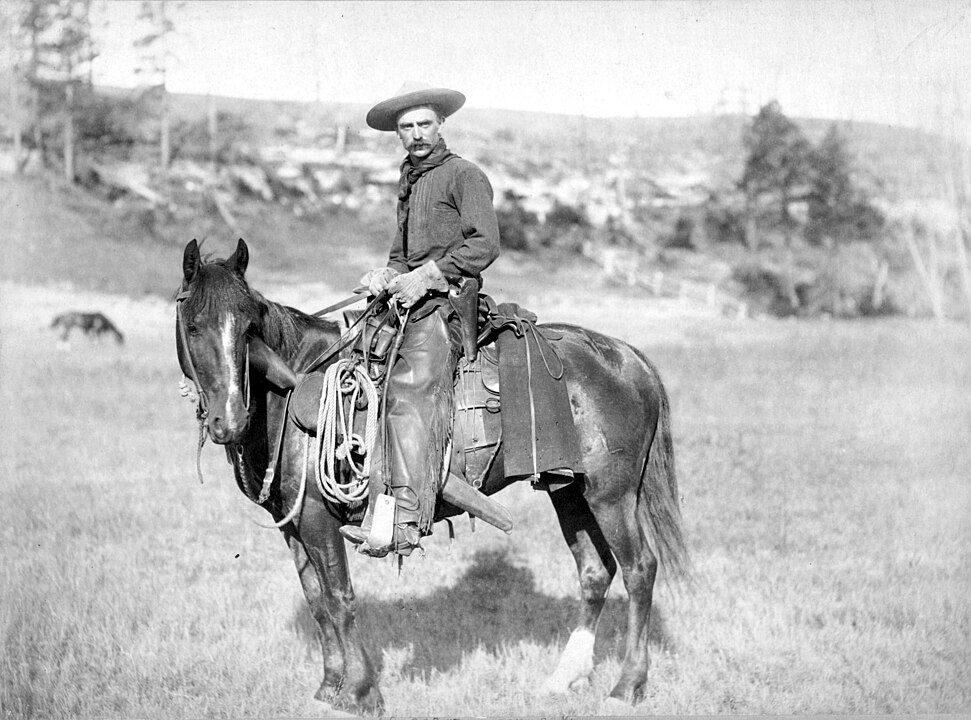
Textbook maps once painted the American frontier as open, unused land simply waiting for wagons and fences. In fact, those regions were home to Native nations with governments, borders, agriculture, and spiritual ties to specific places. Treaties were made, twisted, and ignored as settlers pressed west with military backing. Forced marches, massacres, and reservation systems underpinned that “expansion.” The cheerful story of hardy pioneers skipped over the people who were pushed aside to make room for those cabins and rails.
Rosa Parks Was Just Tired One Day

Many classrooms reduced Rosa Parks to a quiet seamstress who refused to give up her bus seat after a long day at work. That version makes her courage look accidental. In reality, she was a seasoned activist who had spent years investigating assaults, registering voters, and planning alongside other organizers. Her refusal fit into a deliberate legal and political strategy. She later said she was tired of giving in, not simply worn out from sewing. The myth shrank disciplined resistance into a soft moment of chance.
The U.S. Single-Handedly Won World War II

For a lot of students, World War II ended with an image of American heroism arriving just in time to rescue the world almost alone. The actual war depended on brutal fighting across multiple fronts, including staggering Soviet losses, resistance movements, and battles fought in colonized regions far from U.S. shores. American industry and troops were crucial, but they were part of a strained coalition with clashing priorities. Turning the conflict into a solo triumph flattened allies into background characters.
The Civil Rights Movement Finished The Job

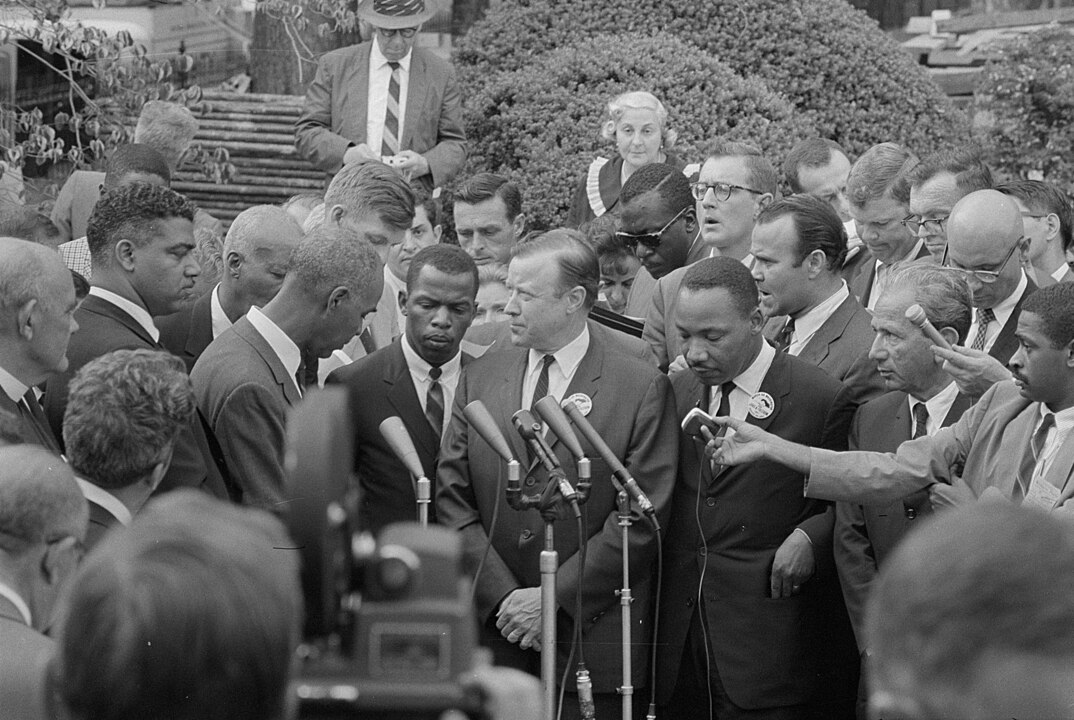
Textbooks often framed the civil rights movement as a brief burst of bravery that solved segregation and racism by the late 1960s. Laws like the Civil Rights Act and Voting Rights Act mattered enormously, but enforcement, backlash, and new forms of discrimination followed immediately. Housing patterns, school funding, policing, healthcare, and voting rules continued to reflect deep inequities. Activists did not simply fade away after a few marches; they shifted tactics, built coalitions, and kept pushing in less photogenic spaces.



Leave a Reply