Many Americans dream of calmer lifestyles, and several countries quietly hope they’ll take the leap. Shrinking workforces, aging populations, and regional development goals have pushed governments to design simpler visas, tax breaks, and appealing residency paths. Whether they’re trying to revive small towns or boost innovation sectors, these nations see American arrivals as a valuable source of economic energy and long-term stability for growth.
1. Portugal

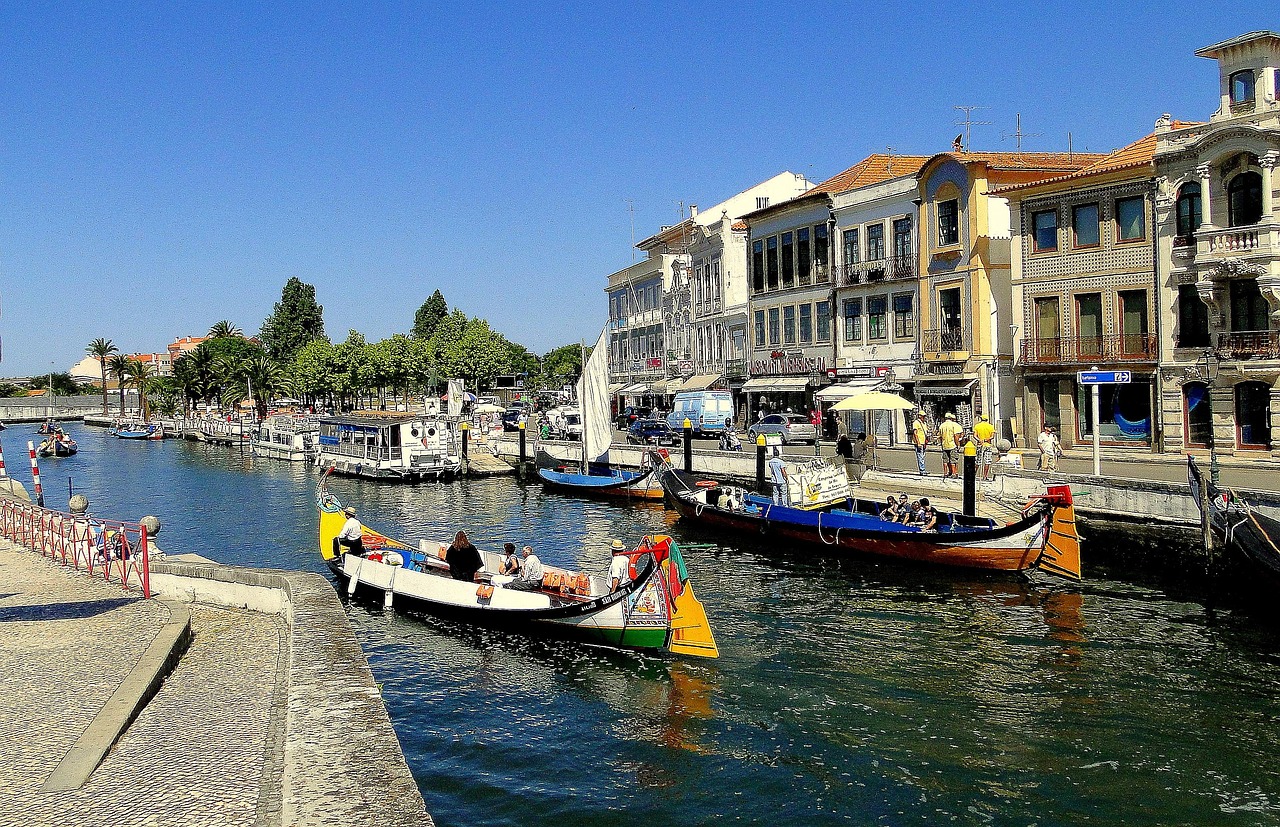
Portugal, with about 10.3 million residents, wants newcomers to slow its aging trend and refill rural towns where vacancy rates reach 30%. Its D7 visa asks for roughly $900 per month in passive income, making it one of Europe’s most accessible pathways. Living costs sit around 45% lower than the U.S., and nearly 65% of city residents speak English. The government hopes Americans will bolster small businesses and support regional revitalization efforts.
2. Spain

Spain’s population of 48 million faces a low 1.3 fertility rate, motivating officials to attract skilled foreigners. The digital-nomad visa requires about $2,500 monthly income, drawing Americans seeking sun and affordability. Many towns have lost 20–40% of residents in recent decades, prompting local programs aimed at foreign settlers. With strong healthcare rankings and expanding tech centers, Spain hopes migrants will anchor long-term economic and cultural renewal.
3. Costa Rica

Costa Rica, home to 5.2 million people, encourages American relocation to support eco-tourism and strengthen small coastal economies. Its Rentista visa requires around $2,500 monthly income, while investors can qualify with about $150,000 in local projects. Areas outside San José rely on stable expat spending to offset seasonal tourism dips. With low violent-crime rates in many regions and a literacy rate above 97%, the government quietly welcomes new long-term residents.
4. Uruguay

Uruguay’s population of 3.4 million struggles with slow growth, motivating leaders to invite foreign professionals. Residency is straightforward, and officials promote sectors like agriculture and fintech where outside expertise fuels expansion. Americans often need around $1,500 monthly income to settle comfortably. With crime rates lower than many Latin American neighbors and internet coverage above 85%, Uruguay hopes newcomers can energize local industries and help diversify its economy.
5. Malta

Malta’s 540,000 residents can’t meet the island’s rising labor needs, especially in tech and finance. Residency programs attract Americans with income requirements near $25,000 annually, while rental commitments often start around $10,000 per year. With English as an official language and over 300 sunny days, integration is easy. The government hopes foreign arrivals will stabilize housing demand, fill skilled-job shortages, and maintain the island’s expanding innovation ecosystem.
6. Georgia (Country)

Georgia, with 3.7 million people, actively courts Western professionals through simple visa-free stays for up to a year. Remote workers typically live well on $1,200–$1,500 monthly, making American relocation financially attractive. The government promotes digital expansion and hopes foreigners will support sectors where wages lag behind growth targets. Smaller cities want investment to modernize infrastructure, and tourism regions rely heavily on outside spending to drive year-round economic stability.
7. Thailand

Thailand’s 71-million population faces workforce mismatches, motivating long-stay programs that appeal to Americans. Elite visas begin around $15,000, while retirees often show $2,000 monthly income. Cities like Chiang Mai and coastal provinces hope stable foreign residents will offset slow periods in tourism-dependent economies. With healthcare costs about 70% lower than the U.S. and strong digital-nomad communities, Thailand sees newcomers as key contributors to local and regional growth.
8. Ireland

Ireland’s 5.1-million population relies heavily on foreign talent to sustain its fast-moving tech and science sectors. Income thresholds for residency commonly require around $60,000 per year, especially for workers in high-demand fields. Rural counties with vacancy rates near 15% hope new arrivals will revive local schools and businesses. With English spoken nationwide and strong cultural ties to the U.S., Ireland views American settlers as long-term stabilizers of its modern economy.
9. New Zealand

New Zealand’s population of 5.2 million faces skill shortages in engineering, healthcare, and renewable energy. Visa categories often require salaries around $50,000–$60,000 annually, depending on profession. Many towns outside Auckland struggle with declining youth populations, and officials see American migrants as essential to sustaining community services. With crime rates relatively low and protected natural landscapes covering 30% of the country, newcomers are encouraged to take root.
10. Panama

Panama, with 4.4 million residents, continues to attract Americans through the Friendly Nations Visa, where financial proof often equals about $5,000 in savings plus local ties. Many expats live comfortably on $1,600–$2,000 monthly, supporting towns that rely on steady long-term residents rather than seasonal tourism. With GDP growth regularly outperforming regional averages and a modern banking sector, Panama sees American movers as fuel for sustainable nationwide development.