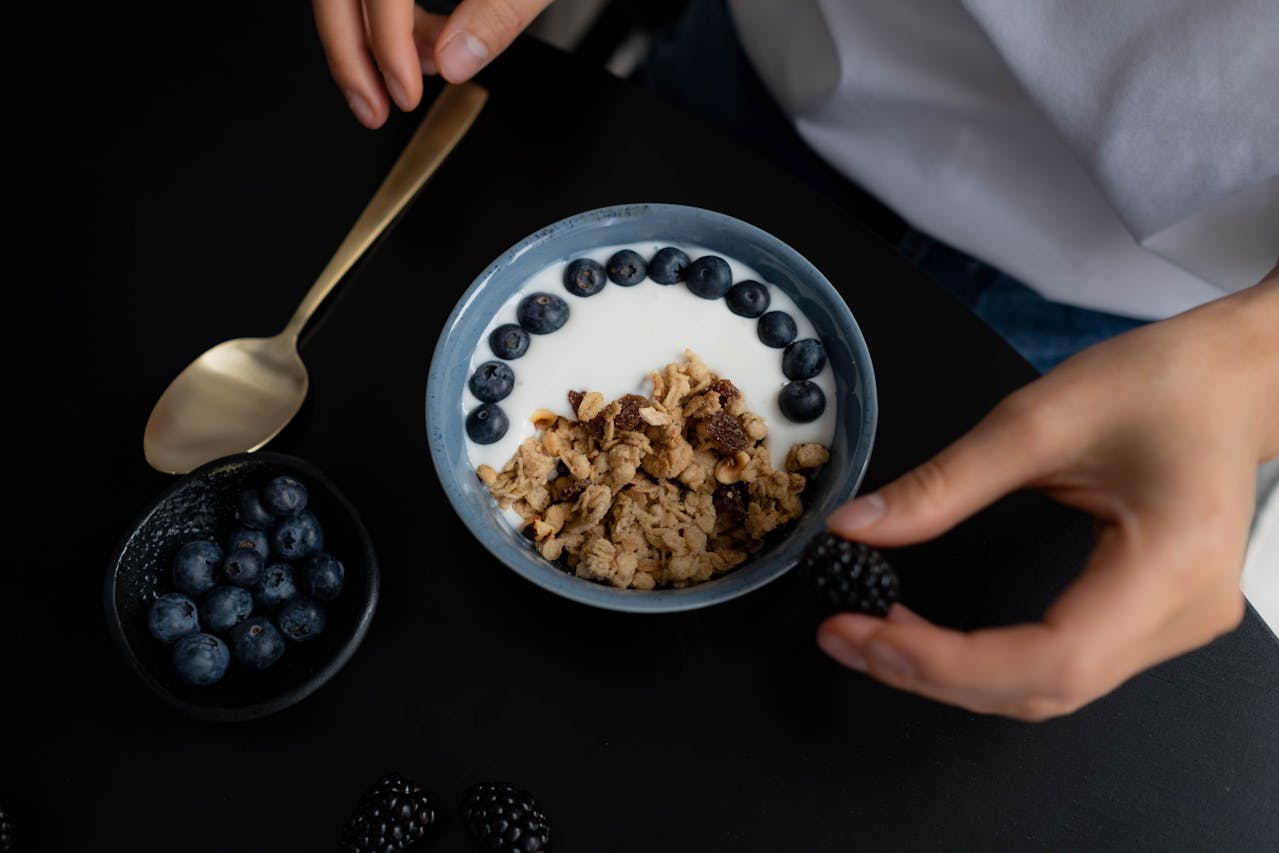
Yogurt can swing between dessert and daily staple, depending on what lands in the carton. Some cups carry more sugar than a candy bar, while others quietly deliver protein, calcium, and live cultures that actually support health. Supermarket shelves do not make the choice easy, with bright labels hiding long ingredient lists. Looking at broad styles instead of brands helps sort the least helpful options from the workhorses worth keeping in the fridge week after week, morning or night, happily.
10. Dessert Yogurts With Candy Mix Ins

At the bottom sit yogurts that lean fully into dessert, packed with cookie crumbs, candies, or thick caramel and fudge swirls. Sugar shoots up, often close to ice cream territory, while protein stays modest and live cultures become an afterthought. These cups land more like a sweet treat than a nourishing food. As an occasional indulgence they have a place, but as a regular habit they add little beyond extra calories and sticky spoons in the sink.
9. Fat Free, Heavily Sweetened Fruit Yogurts

Next come fat free fruit yogurts that sound virtuous at first glance but hide a heavy sugar load and plenty of starch. Removing fat often pushes factories to sweeten more and rely on thickeners to fake creaminess. The result digests quickly, can spike blood sugar, and rarely keeps anyone full for long or satisfied. Live cultures may be present, yet the overall balance leans more toward candy than sustained nourishment across a morning or afternoon.
8. Light Yogurts With Artificial Sweeteners

Light yogurts with artificial sweeteners trade sugar grams for long ingredient lists filled with colors, stabilizers, and nonnutritive sweeteners. Calories drop, which may help short term goals, but flavor can feel sharp or hollow, and some people report bloating from sugar alcohols. Protein content is usually reasonable, yet satisfaction often lags. For many, these cups function best as an occasional bridge, not as the main pillar of a daily breakfast or snack routine.
7. Sweetened Plant Based Yogurts

Sweetened plant based yogurts made from almond, coconut, oat, or rice milk open the door for dairy free eaters, but nutrition can be uneven. Some brands lean hard on sugar, starch, and gums to imitate the body of dairy, while protein stays low unless soy or pea is involved. Fortified calcium and vitamin D help, yet labels still need close reading. The strongest options in this group keep sweetness modest, texture simple, and serving size realistic.
6. Regular Sweetened Dairy Yogurt With Live Cultures

In the middle sit regular sweetened dairy yogurts with real milk and live cultures but also a few spoonfuls of added sugar. Fruit on the bottom or blended flavors can easily double the sugar of a plain cup while leaving protein unchanged. For many households they remain a familiar choice, especially for children and quick lunches. Kept in smaller portions and paired with nuts or seeds, they can still contribute to a balanced pattern rather than overwhelm it.
5. Unsweetened Plant Based Yogurts With Added Cultures

Unsweetened plant based yogurts with added cultures step things up for those avoiding dairy, provided the base offers more than water and starch. Soy and pea bases typically bring real protein, while almond and oat often rely on fortification to carry minerals. Without sugar, the flavor leans tangy and subtle, which plays well with fruit, nuts, or spices. These cups work best when treated as a blank canvas rather than as dessert in disguise each day.
4. Traditional Plain Whole Milk Yogurt

Traditional plain whole milk yogurt keeps ingredients simple, usually just milk and live cultures, which makes the nutrition easy to understand. Natural fat delivers creaminess and helps with fullness, so a modest serving often goes a long way. The gentle tang works in smoothies, savory sauces, and breakfast bowls without needing extra sugar. For many families, this style becomes a reliable staple, flexible enough to support both comfort food and lighter meals.
3. Plain Low Fat Greek Yogurt

Plain low fat Greek yogurt climbs higher thanks to its straining process, which concentrates protein and thickens texture while trimming some fat. A single cup can offer well over a typical serving of protein, which steadies hunger and supports muscle maintenance. Carbohydrates stay moderate, and live cultures remain present. It fits easily into both sweet and savory dishes, from breakfast with berries to a quick base for dips, dressings, or marinades at dinner.
2. Plain Whole Milk Greek Yogurt

Plain whole milk Greek yogurt adds back a satisfying level of fat while keeping the high protein that straining delivers. The result feels rich and velvety, which can make even a small bowl feel like a complete snack or breakfast. That balance of protein and fat tends to support steady energy and calmer appetite compared with leaner, sugary styles. It also stands in well for sour cream or mayonnaise, bringing culture and calcium instead of emptier calories.
1. Plain Skyr Or Similar High Protein Cultured Dairy

At the top sit plain skyr and similar high protein cultured dairy products that keep recipes short and nutrition dense. Traditional skyr uses skim or low fat milk and a straining method that leaves a thick, spoonable texture with impressive protein and very little sugar. Ingredients often list only milk and cultures, which simplifies choices for anyone watching additives. Paired with fruit, nuts, or seeds, skyr can anchor a meal rather than just hover at the edges.