In hutches, sideboards, and taped cardboard boxes, porcelain that once came out only on holidays is now attracting serious money. Certain patterns from Royal Doulton, Spode, and their rivals combine craftsmanship, nostalgia, and scarcity in a way that modern tableware rarely matches. Auction catalogs show complete services climbing into four figures when condition and pattern line up. For families sorting through inherited dishes, understanding which sets still matter can turn fragile memories into assets that fund new chapters without erasing the past.
Royal Doulton Carlyle

Royal Doulton’s Carlyle pattern blends deep cobalt panels, teal medallions, and generous gold trim around crisp white bone china. The look feels formal yet still welcoming at a real table, which keeps demand steady. Discontinued production and strong brand recognition push complete dinner and tea services into the thousands, especially when large platters and covered dishes survive. Collectors watch for bright color, intact gilding, and enough place settings to dress a serious dining room.
Royal Doulton Old Leeds Spray

Old Leeds Spray carries a softer mood, with sprays of flowers drifting around scalloped rims and gentle color rather than heavy formality. The pattern became a favorite for wedding gifts and Sunday lunches, which means many families still hold sizeable sets. When soup bowls, serving platters, and coffee pieces remain together, values climb quickly. Collectors prize examples with clear backstamps, minimal utensil wear, and no hairline cracks hiding along those delicate, curving edges.
Royal Albert Old Country Roses

Old Country Roses from Royal Albert might be the most recognizable English floral china of the last century. Clusters of red, pink, and yellow roses framed by gold trim became a shorthand for special occasions and afternoon tea. Production ran for decades, but early bone china pieces and large, matching services still earn strong prices. Full sets that include teapots, cake stands, and serving bowls attract buyers who want both sentiment and investment in one pattern.
Spode Blue Italian

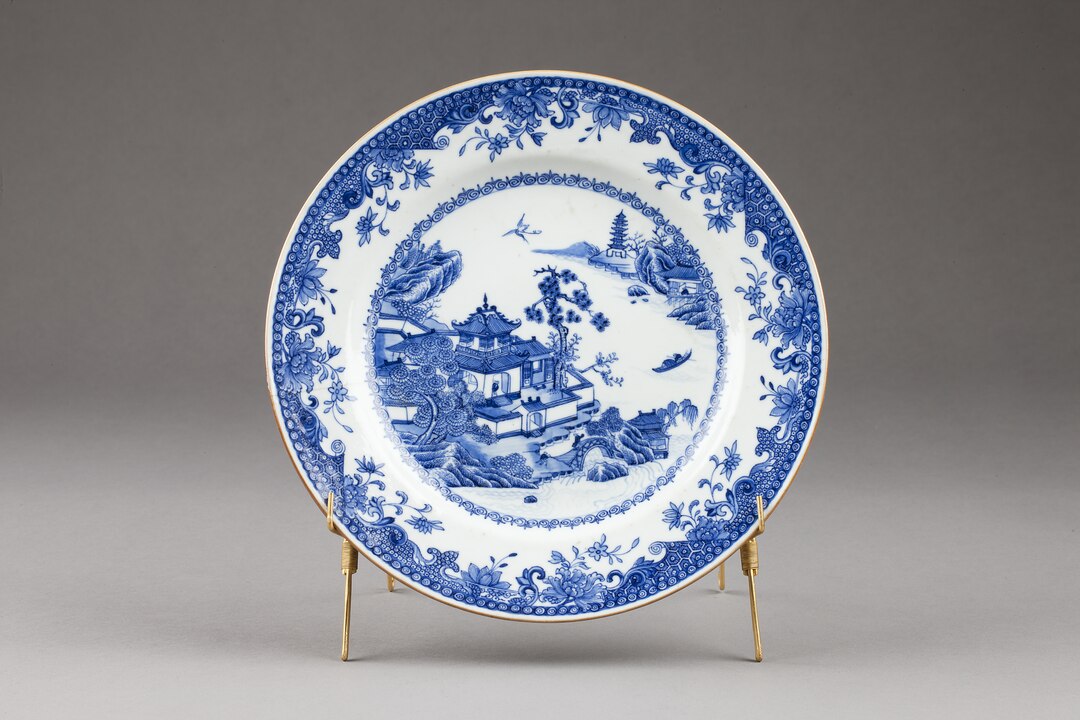
Spode’s Blue Italian pattern has anchored traditional tables since the 1800s, with blue pastoral scenes and intricate borders wrapping each plate. The design works across formal dinners and everyday display, which keeps collectors and decorators interested. Earlier bone china examples and big coordinated sets with tureens, chargers, and footed dishes often reach four figure territory. A complete service laid across a long table still delivers the kind of visual drama that modern minimal pieces rarely match.
Spode Christmas Tree

Spode Christmas Tree defined holiday tables for generations, especially in North America, where families brought it out for December and packed it away again in January. That limited use often means plates and serving pieces survive in excellent condition. Large services for ten or twelve with matching mugs, bakeware, and accessories can be worth far more than casual owners expect. Collectors look for older backstamps, bright color in the tree, and sets that feel ready for a full celebration.
Wedgwood Cornucopia

Wedgwood’s Cornucopia pattern leans into opulence, pairing ivory toned china with deep navy bands, stylized cornucopia motifs, and heavy gilding. It suits formal rooms and makes a strong statement even in a modern space. Because replacement prices remain high, well kept vintage sets can bring thousands, especially when they include serving dishes, cream soup bowls, and coffee ware. Buyers watch for even gilding along rims and handles, since worn gold can sharply reduce the value of an otherwise fine service.
Meissen Blue Onion

Meissen’s Blue Onion design helped define European porcelain, and genuine examples still sit at the top of many collectors’ wish lists. The blue stylized fruit and flowers are instantly recognizable, but early pieces carry marks and details that set them apart from later copies. A full dinner service with matching serving ware can reach very high figures, while individual chargers and covered dishes also perform well. Families sometimes find that a seemingly modest cabinet of Meissen underwrites serious financial decisions.
Royal Copenhagen Flora Danica

Flora Danica from Royal Copenhagen feels less like tableware and more like a botanical archive. Each piece carries hand painted illustrations of specific plants, framed by delicate gilding and intricate edges. Production has always been limited and demanding, which keeps values exceptional. Even partial services often sit firmly in the five figure range, while complete sets are treated almost like museum collections. Many owners choose to blend display and use carefully, balancing enjoyment with long term preservation.
Herend Fruit And Floral Services

Herend’s fruit and floral services from Hungary, including autumnal patterns and garden themed designs, appeal to collectors who value both color and hand painting. The porcelain feels substantial but refined, with detailed sprays and playful insects wandering across plates and serving pieces. Large matching sets, especially with soup tureens, sauce boats, and compotes, can bring thousands at reputable auctions. Brand reputation and ongoing production support the market for older, well cared for examples.