When new privacy laws landed in 2025, the first shock did not come from headlines, but from settings menus and legal emails. Devices that once felt like helpful upgrades suddenly carried consent forms, retention charts, and warnings about biometric data. Homeowners who wired every room for convenience realized they had also wired their lives for collection and review. The gadgets still turn on lights and lock doors, but the question behind them changed from what they can do to what they quietly record.
Always On Video Doorbells

Video doorbells started as simple ways to watch for packages and porch thieves. After the new rules, many owners discovered that constant recording of neighbors, kids, and passersby could count as regulated surveillance. Some models log faces, motion patterns, and audio that must now be stored, disclosed, or deleted under strict timelines. Instead of peace of mind, there is a low level worry about notices, complaints, and footage ending up where it never should have gone.
Smart Locks And Biometric Entry

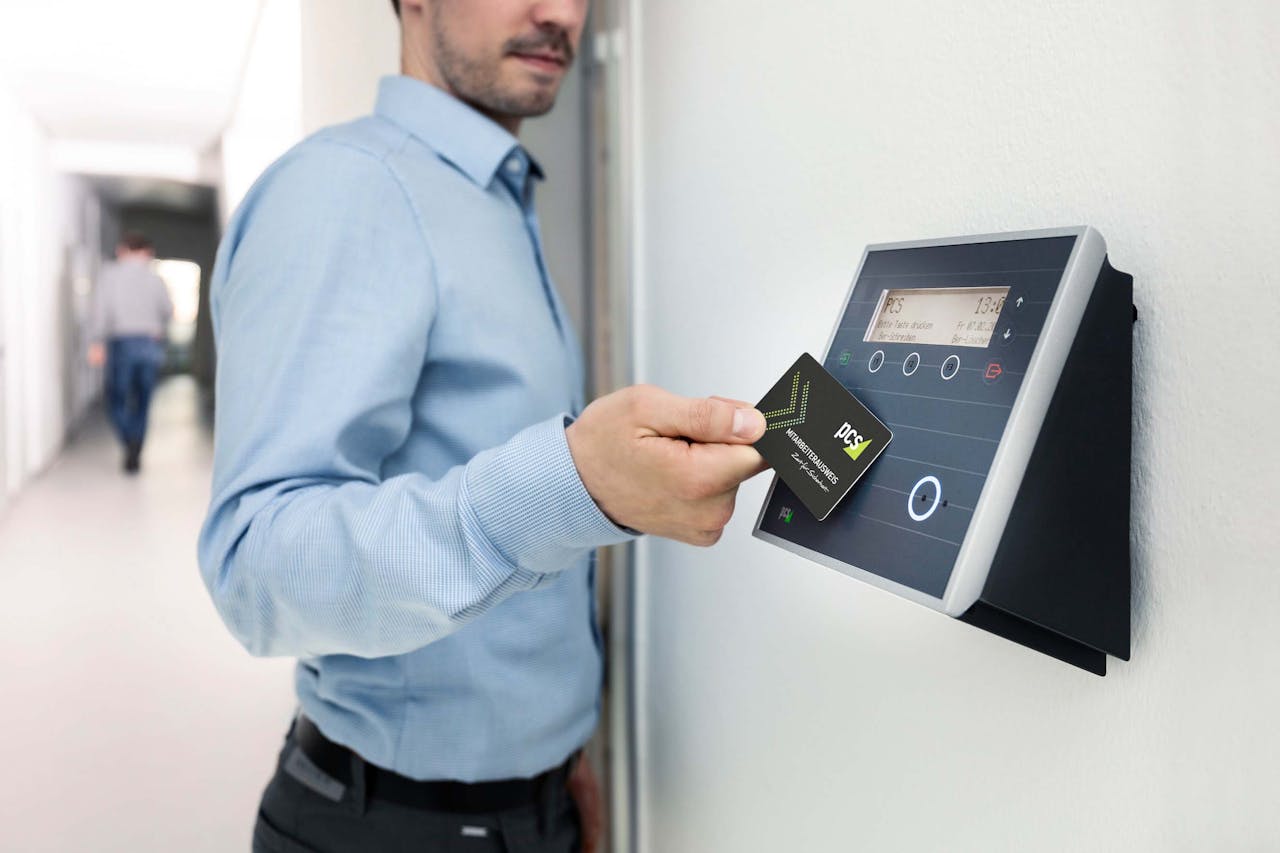
Fingerprint pads and face scanning locks once felt like something borrowed from spy films. New biometric protections, however, treat those templates as deeply sensitive, on par with medical records. Homeowners have to trust that vendors will encrypt, limit, and eventually erase this data in ways a simple deadbolt never required. Families with guests, renters, or shared doors now juggle consent questions and what happens if a company is hacked. The thrill of keyless entry fades under the weight of that risk.
Whole Home Voice Assistants

Always listening speakers slid into kitchens and living rooms as playful helpers. Later policy updates forced platforms to spell out how long they keep voice clips, transcripts, and behavioral profiles. Families saw years of casual questions, arguments, and private jokes sitting on remote servers that may be queried, mined, or subpoenaed. Turning off microphones is possible, but it undercuts the very reason these devices were bought. Many households now live with an odd tension between comfort and self consciousness.
Cloud Heavy Security Camera Systems

Multi camera kits promised full coverage of yards, garages, and driveways with a few taps on a phone. Stronger privacy rules highlighted just how much of that footage leaves the house for remote storage and analysis. Owners now worry about who at the company can view their clips and how long those files remain searchable. Some neighborhoods have had disputes over shared sightlines and children appearing in distant feeds. What began as home security now feels uncomfortably close to unpaid monitoring.
Smart TVs With Aggressive Tracking

Smart TVs offered easy streaming and sleek remotes, but many models paid for themselves by tracking everything watched. Disclosure rules in 2025 forced brands to admit how viewing habits, app use, and even button presses fed advertising profiles. Homeowners who thought they were trading cash for hardware learned they had also traded viewing history and household routines. Some now block network access, use external boxes, or buy simpler displays. The big screen in the living room no longer feels entirely neutral.
Energy Monitors And Smart Thermostats

Energy dashboards and connected thermostats sold a vision of savings and greener habits. Detailed usage charts also revealed minute by minute patterns of waking, working, and sleeping. New privacy guidance framed this as intimate behavioral data, especially when linked to names and addresses. In some regions, utilities and third parties gained regulated but real access to trends across thousands of homes. A technology that once felt purely responsible now carries questions about who else learns when a family is away.
App Based Access For Guests And Workers

Digital keys for cleaners, pet sitters, and short term guests once looked like neat hospitality tricks. Logs of who entered and when now fall under retention and disclosure rules that many owners barely understand. Those logs can reveal routines, social ties, and even conflicts if someone later disputes a visit. Hosts and landlords increasingly face choices about how long to keep records and who can see them. The trust once expressed with a simple key swap now comes wrapped in timestamps and liability.
Integrated Smart Home Hubs

Unified hubs tie cameras, locks, lights, and speakers into a single brain. That brain often belongs as much to the vendor as to the homeowner. After 2025, access requests exposed long lists of devices, scenes, and habits quietly logged for performance and product research. Residents realized that a simple automation, like lights triggered by motion, generated a trail of presence data room by room. Some are now pulling parts of their systems offline, preferring slightly clumsier routines to constant, invisible observation.