Travel decisions changed a bit once newer safety reports started circulating in early 2025. Crime data, transportation issues, and public space concerns all began to color how certain towns felt, even if the marketing stayed upbeat. Many of these places still offer music, food, or waterfronts worth seeing, but numbers and word of mouth have made some travelers cautious. The result is a quieter shift in itineraries, as people favor destinations that feel calmer, more predictable, and easier to navigate.
Memphis, Tennessee

Memphis still draws music lovers to Graceland and Beale Street, yet ongoing reports about high violent crime and car break ins weigh heavily on perception. Visitors read about spikes in certain neighborhoods and start trimming late night wandering or skipping extended stays. Local businesses still hustle to keep the blues alive, but a share of cautious travelers now favor nearby Mississippi River towns where safety concerns feel less constant and evenings feel more relaxed.
Detroit, Michigan

Detroit’s comeback story sits beside steady news about property crime, car theft, and pockets of violence that remain stubborn. The city offers strong art, food, and music, yet 2025 safety write ups have pushed some would be visitors to the sidelines. Travelers who once treated Detroit as an intriguing urban stop on Great Lakes road trips now often reroute to smaller Michigan towns. The people who do come tend to plan tightly and stay in a few well known districts.
St. Louis, Missouri

St. Louis has the Gateway Arch, classic neighborhoods, and big league sports, but it also appears often in national rankings for violent crime. Safety concerns are not uniform, yet broad coverage rarely explains nuance. Families studying reports see worries about carjackings or shootings and decide the stress is not worth it for a short break. Tourism does not vanish, but more travelers choose river towns, state parks, or nearby cities where their research feels less alarming.
New Orleans, Louisiana

New Orleans still looks irresistible on paper, with its music, food, and festivals, yet new crime and safety analyses highlight robberies and late night risks beyond packed blocks. Many travelers now split the difference, flying in for a day or two, staying close to well lit streets, then moving on quickly. Others quietly trade the city for smaller Gulf Coast destinations that offer seafood, culture, and live music without the same constant undercurrent of safety planning.
Baltimore, Maryland

Baltimore’s harbor, museums, and neighborhoods hold real depth, but they share space with long running concerns about shootings and property crime. Fresh studies and headlines in 2025 reinforced that tension, especially around certain corridors. Conference planners and cruise operators still include the city, yet some shorten schedules on shore and nudge guests toward structured activities. Casual road trippers who see the numbers often keep driving toward quieter Chesapeake communities instead.
Cleveland, Ohio

Cleveland offers lakefront views, serious sports, and a strong arts scene, yet it appears in more risk based travel roundups than local leaders would like. Reports emphasize that crime concentrates in certain pockets, but broad labels tend to stick. International tourists who know little beyond headline statistics often pick other Great Lakes cities first. The visitors who do come lean into short, focused stays around downtown, stadiums, and museums rather than wide ranging urban exploration.
Oakland, California

Oakland’s food, murals, and music remain impressive, but stories about car break ins, retail theft, and uneven policing continue to shape reputation. Safety reports and viral clips have made some travelers wary of parking or walking after dark. Many visitors now base themselves in San Francisco or wine country and treat Oakland as a brief stop for a concert or restaurant. The city still buzzes with local energy, yet its tourism growth feels more hesitant than its culture deserves.
Stockton, California

Stockton sits on a river junction with access to farms, waterways, and Delta views, but crime statistics keep placing it in conversations about risk. Newer analyses highlight progress in some areas, yet property crime, gang activity, and budget challenges still appear in summaries. Travelers plotting drives between the Bay Area and the Sierra tend to see those numbers and rethink overnight stops. Nearby lakeside towns and smaller farm communities often benefit from that quiet diversion of visitors.
Chicago, Illinois

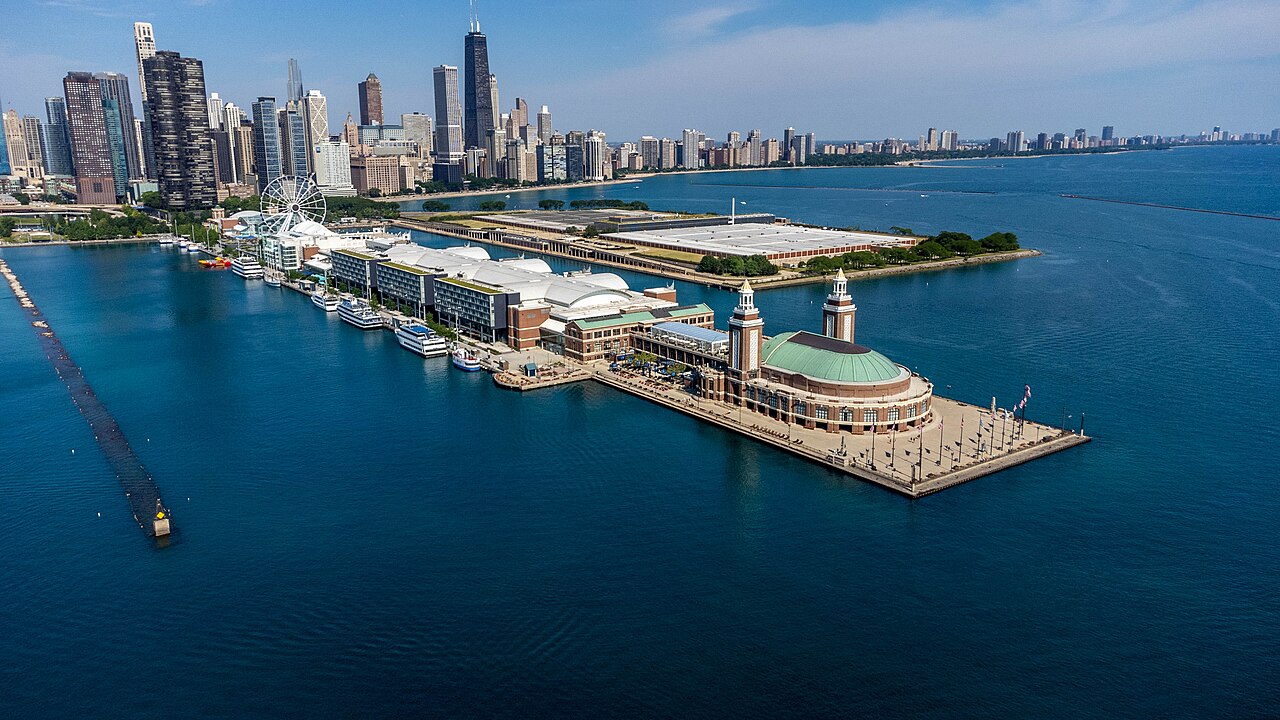
Chicago remains a heavyweight for architecture, food, and culture, but national attention on shootings and carjackings continues to shape how outsiders feel. 2025 safety reports again stressed how uneven the risk is across neighborhoods, yet many international tourists only absorb the broad narrative. Some shift city break plans toward Milwaukee or Minneapolis instead. Those who do come often keep close to the Loop, the lakefront, and museum corridors, trimming late night wandering in unfamiliar areas.
Albuquerque, New Mexico

Albuquerque anchors central New Mexico with big skies and a famous balloon fiesta, yet crime metrics around theft and assaults keep slipping into travel warnings. Reports frame the city as needing caution in certain districts, which can sound intimidating to anyone planning a relaxed road trip. As a result, more leisure travelers choose Santa Fe, Taos, and nearby pueblos for their first impression of the region. Albuquerque leans harder on repeat visitors and friends and family travel.
Kansas City, Missouri

Kansas City is rich in barbecue, jazz, and fountains, but public safety questions have become more visible in recent reporting. Analysts point to rising concerns in some corridors and uneven policing outcomes. Many regional visitors still come for games, concerts, and food, yet first time tourists who rely on safety rankings sometimes hesitate. They may favor other central U.S. hubs that feel easier to understand from afar, despite Kansas City’s strong character and evolving downtown.
Santa Monica, California

Santa Monica still offers sunsets, a classic pier, and access to the Pacific, but recent coverage has focused on petty crime, retail closures, and pressure on public spaces. Safety discussions now sit alongside debates about rising costs and visible homelessness. International travelers who once viewed the city as a flawless beach stop sometimes choose other coastal towns instead, then visit the pier briefly if time allows. The postcard setting remains, but confidence feels more fragile than in years past.