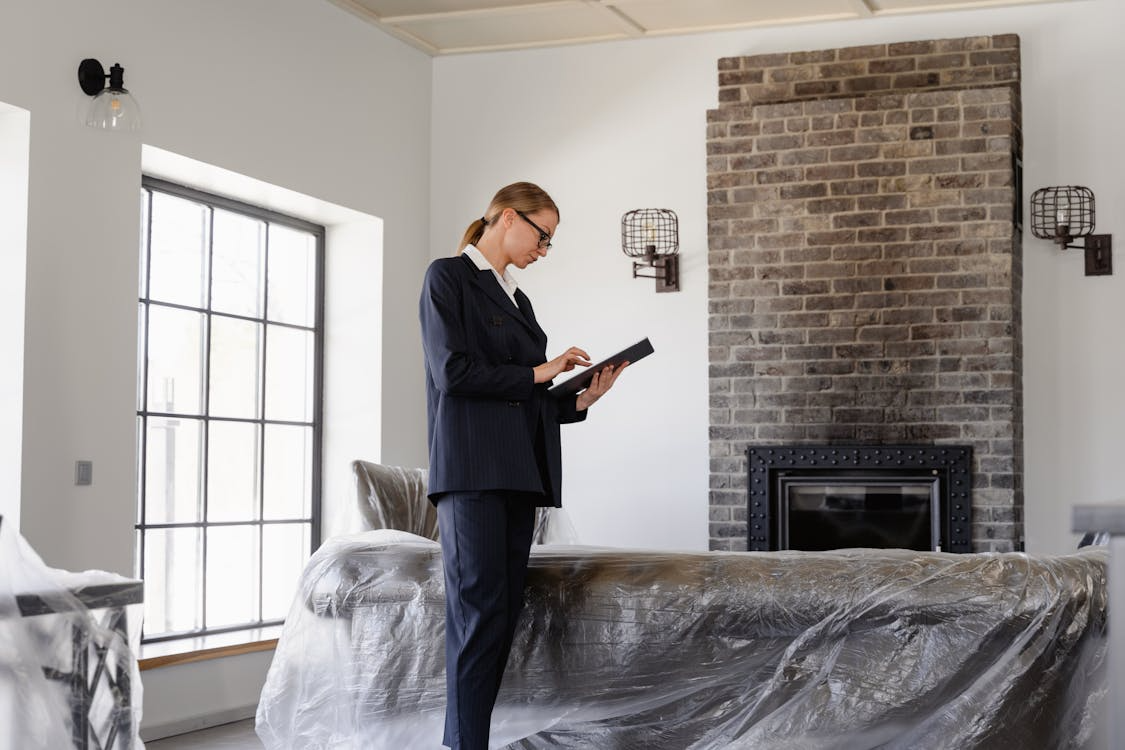
Code violations in homes can lead to unsafe conditions or costly fines. Many American homeowners may unknowingly have violations that, if addressed, can enhance safety and efficiency. Understanding common issues helps maintain a well-functioning, compliant home. Here are 14 frequent code violations to be aware of, ensuring your home is both safe and up to code.
Unpermitted Renovations

Unpermitted renovations may seem like a quick solution, but they often lead to issues down the line. Skipping permits can result in unsafe structural changes and potential fines. It’s crucial to consult local building codes before starting any project. Permits not only keep your home safe but also maintain its value.
Inadequate Stairway Lighting

Stairway lighting is essential for safety, especially at night. Dark staircases increase the risk of falls. Ensure stairways have adequate lighting, such as overhead lights or well-placed sconces. Installing motion-sensor lights can also provide convenience and added safety for all family members.
Improper Bathroom Ventilation

Proper bathroom ventilation prevents moisture buildup, which can lead to mold and structural damage. Many homes lack adequate exhaust fans, leading to bathroom code violations. Ensure your fan vents outside rather than into the attic, and consider upgrading to a more efficient model if needed.
Non-compliant Handrails

Ensuring that handrails meet safety codes in your home is crucial. Handrails should be securely attached and at the proper height—between 34 and 38 inches above the floor. Wobbly or improperly sized handrails can lead to accidents, especially for children and elderly family members. Regularly check for loose fittings and ensure that they extend the full length of the stairs. Safe handrails not only prevent falls but also offer peace of mind.
Faulty Smoke Alarms

Smoke alarms are essential for early fire detection, yet they’re often neglected. Ensure alarms are installed in every bedroom and on each level of your home. Test them monthly and replace batteries yearly. Many families overlook interconnected smoke detectors that sound an alarm throughout the entire house. Investing in these ensures faster warnings, giving loved ones precious extra minutes to evacuate safely.
Defective Electrical Panels

An outdated or malfunctioning electrical panel poses a serious hazard. Look for signs like frequent breaker trips or buzzing noises. Panels should be labeled clearly and have sufficient capacity for your home’s needs. Consult a professional electrician if your panel shows wear or if you plan home additions that increase electrical usage. Modern panels prevent overloaded circuits, safeguarding your home’s electrical system.
Insufficient Fire Escapes

Fire escapes are not just for apartment buildings; every home should be equipped with a clear escape plan. Ensure windows are easy to open and not painted shut, allowing effortless exit in emergencies. Bedrooms, especially on upper floors, should have escape ladders. Regular family drills can make sure everyone knows how to exit quickly and safely, reducing panic during a real emergency.
Improper Window Installations

Windows should be installed to meet safety and energy efficiency standards. Ensure they close completely with secure locks to prevent drafts and maintain home security. Pay attention to egress windows in basements, which must allow easy escape in emergencies. Proper window installations help maintain energy costs and ensure safety, while letting in natural light to brighten your living spaces.
Unsupported Load-bearing Walls

Load-bearing walls are crucial in supporting the structure of your home. It’s essential to ensure these walls remain intact and are not removed or altered without proper assessment and support. Removing a load-bearing wall without reinforcing it can compromise the building’s integrity, leading to costly repairs or even collapse. Always consult with a structural engineer before making changes to any wall you suspect might be load-bearing to ensure safety and compliance.
Incorrect Deck Construction

Decks provide a wonderful outdoor space but must be built correctly to be safe. Common issues include improper attachment to the house, using non-galvanized fasteners, or failing to use weather-resistant materials. These mistakes can lead to decks collapsing, especially under heavier loads. Always follow local building codes and guidelines and consider hiring a professional to ensure your deck is secure and long-lasting. Regular inspections can help identify and address potential problems before they worsen.
Unsafe Chimney Cleanliness

Chimney cleanliness is vital for safe fireplace operation. Creosote buildup can lead to chimney fires, which are a significant hazard. It’s important to have your chimney inspected and cleaned annually by a certified professional. Regular maintenance also improves heating efficiency and prevents dangerous blockages. Ensure chimney caps are intact to keep out moisture and debris, and replace any damaged parts promptly to maintain a safe and cozy home environment.
Limited Emergency Egress

Emergency egress refers to the pathways available for escape during emergencies, such as fires. Every sleeping area should have at least two means of egress, typically a door and a window. Windows should be easy to open and not blocked in any way. Ensure that all escape routes are clear, well-marked, and functional at all times. Regularly review and practice emergency plans with your family to enhance preparedness and confidence during unexpected situations.
Improperly Sized Circuit Breakers

Circuit breakers protect your home from electrical overloads, and having the correct size is vital to prevent fires. An improperly sized breaker can overheat and fail to trip during a surge. If you’re upgrading appliances or notice frequent tripping, it may be time to reassess your circuit capacity. Consulting with a licensed electrician can help identify issues and ensure your electrical system is up to code, keeping your home safe and your mind at ease.
Inadequate Roof Venting

Proper roof venting is crucial for maintaining a healthy home environment. Without adequate venting, moisture can build up, leading to mold growth and potential structural damage. Check that vents are unobstructed and properly installed. The attic should have sufficient intake and exhaust vents to promote airflow, preventing overheating and extending the life of your roof. Regularly inspect vents for blockages from leaves or debris, and consider consulting a professional if you notice signs of poor ventilation, such as excess heat in the attic or unexplained moisture issues.