Far below Paris, the Catacombs have always felt like a secret second city, built from limestone and human history. For years, visitors have moved through those tunnels in a steady, curious stream, while the space itself quietly struggled with humidity, aging equipment, and sheer wear. City officials have finally called a timeout. A full closure until 2026 gives engineers, conservators, and historians room to breathe, repair, and rethink how millions of remains and millions of visitors can safely share the same underground world.
A Full Stop To Protect A Crumbling Underground

Shutting the doors completely is not a dramatic gesture, it is a practical one. Constant traffic makes serious work nearly impossible in corridors barely wide enough for a single group. By pausing visits, teams can bring in scaffolding, equipment, and monitoring gear without worrying about crowds or rushed schedules. The goal is to treat the Catacombs like the fragile structure they are, not like an attraction that must stay open at any cost.
Fixing The Hidden Systems That Keep It Alive

Behind the bone walls sit pumps, cables, lights, and vents that rarely appear in photos but decide whether the site can stay open. Many of those systems date back decades and were never designed for current visitor numbers. Renovation teams plan to replace electrical lines, update ventilation, and improve drainage so that power outages and leaks stop dictating the rhythm of tours. It is quiet work, but it will decide how reliable the Catacombs feel in the coming years.
Stabilizing Bone Walls And Historic Masonry

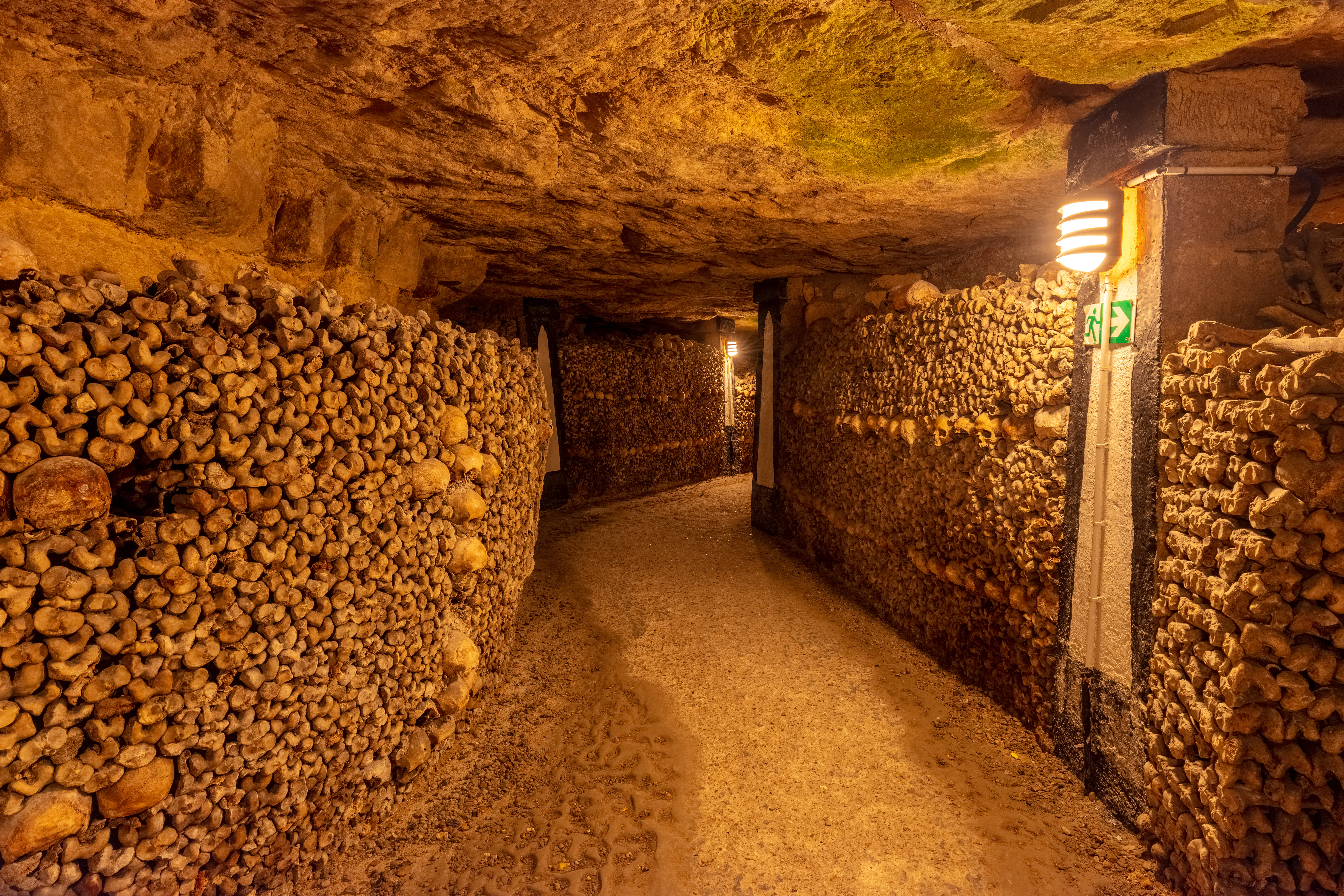
The famous stacks of skulls and femurs are not decorative props, they are structural elements that help shape the corridors. Some sections have begun to slump or crack under their own weight and the subtle movement of old stone. Conservators now have the time to reset loose bones, reinforce fragile stretches, and document each intervention with care. The aim is not to make the Catacombs look new. It is to keep them standing without losing their unsettling beauty.
Rethinking How Crowds Move Through The Tunnels

Before the closure, long bottlenecks formed at narrow stairs and sharp turns, where one stalled group could freeze the whole route. Safety planners want a layout that respects the original quarry while recognizing current demand. That means widening a few key passages, improving signage, and refining emergency exits where possible. Future visitors are expected to feel more space, more clarity, and fewer moments of wondering how to squeeze past another group in the dark.
A Clearer Story For An Overlooked Cemetery

For years, many visitors left the Catacombs impressed but slightly confused about what they had seen. New displays and interpretation plans aim to change that. The renovation period will be used to refine lighting, captions, and audio so the journey through the tunnels tells a coherent story about cemetery closures, quarry risks, and public health decisions. The goal is to match the emotional weight of the place with an explanation that does it justice.
Balancing Tourism With Respect For The Dead

The Catacombs sit in a strange space between spectacle and memorial. Popularity has brought ticket lines, social media photos, and souvenir shops, while millions of unnamed Parisians rest just beyond the path. The renovation offers a chance to rebalance that tension. Quiet design choices, better crowd control, and clearer messaging can help visitors remember that they are walking through a cemetery first and an attraction second. That shift in tone may be the most important repair of all.
Preparing The Catacombs For Another Century

When the gates reopen, much of the work will be invisible to casual eyes, and that is the point. Stronger walls, drier air, safer exits, and better storytelling should simply feel right, not loudly announce themselves. The Catacombs will still be cold, strange, and unforgettable, but less vulnerable to the slow grind of time and tourism. Paris is choosing to care for its underground city now so that, decades from today, it can still welcome those who want to face history beneath their feet.